
Types of Epoxy Flooring: Which is Best for Your Home?
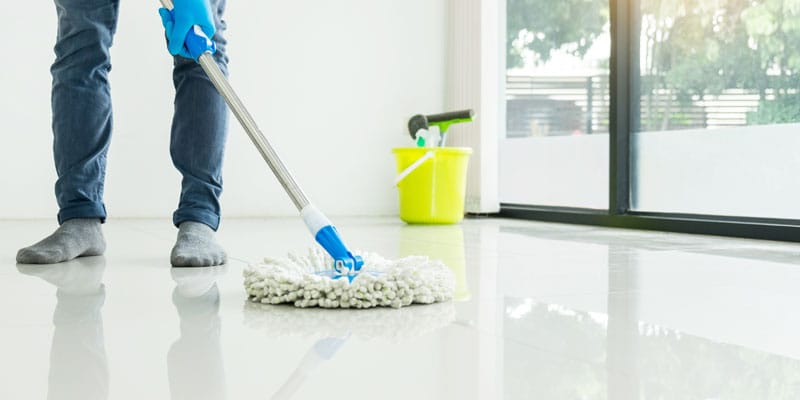
Epoxy floor coatings are a popular choice for home and business owners alike because of their many advantages. There are three main types of epoxy flooring: 100% solids, solvent-based, and water-based coatings, among many other variations. Each type has its own unique benefits that may be better suited for your specific needs. Read below to learn more about the different types of epoxy available to help determine which is the best option for your space.
1. Sweep or vacuum regularly
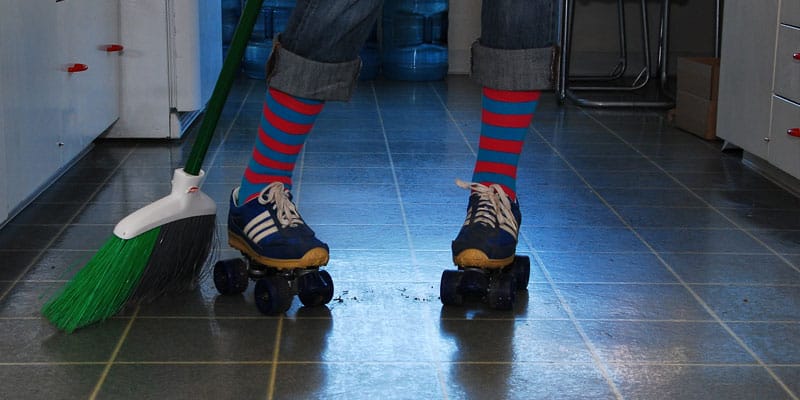
Most people choose an epoxy floor because it is easy to clean using only a broom or a vacuum cleaner. An easy way to keep debris off your floor is by sweeping regularly. This prevents small particles from getting ground into the finish and creating scratches.
A good rule of thumb is to sweep once every day if the floor sees medium use and twice per day if there are high traffic areas in your establishment. On the other hand, vacuuming does not disturb the overall look of the surface as much as sweeping does, so this can be done more regularly, but it is still best to aim for at least twice a day if the floor sees high traffic.
2. Wet mop regularly
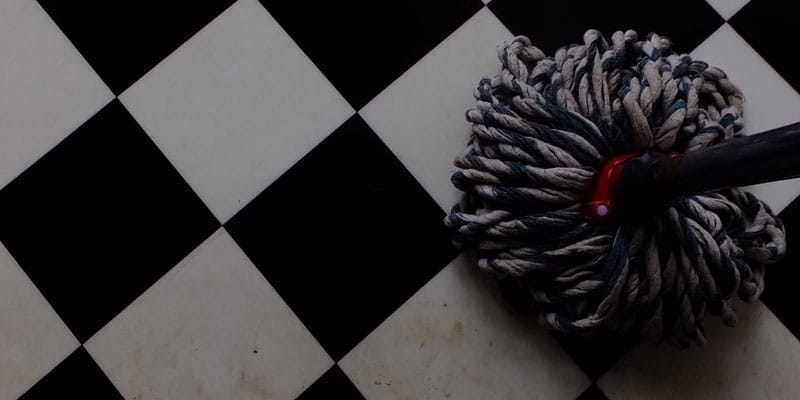
While you can just sweep or vacuum your epoxy floor, wet mopping will give a deeper clean and prevent your floor from getting scratched or damaged through everyday use. You don’t want to wet mop too often, though; doing this too frequently can damage the protective sealant on top of the finish. Aim for once every week or two depending on how much traffic your establishment gets – more footfall means more cleaning is needed.
3. Take spills seriously
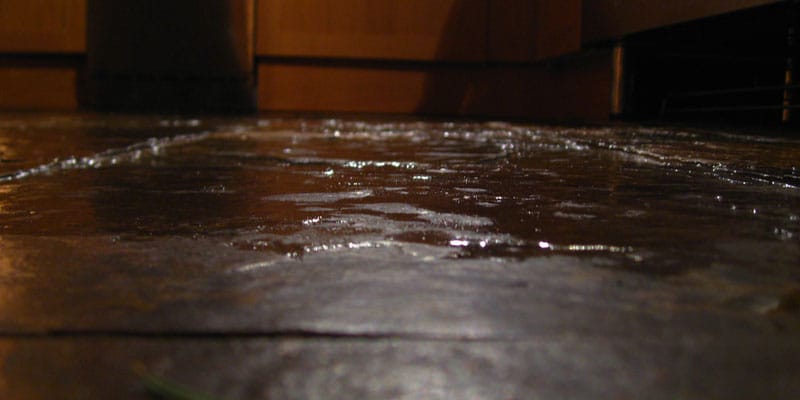
When liquids such as water get spilled onto an epoxy floor, they can create dark stains that will be hard to remove if not taken care of immediately. No matter what the liquid is, it should be mopped up as soon as possible to avoid leaving dark stains. If you notice a spill onto your floor, use a dry towel or paper towels and blot up excess liquid slowly to prevent spreading out the stain further than it needs to be.
4. Clean regularly with an appropriate cleaning product
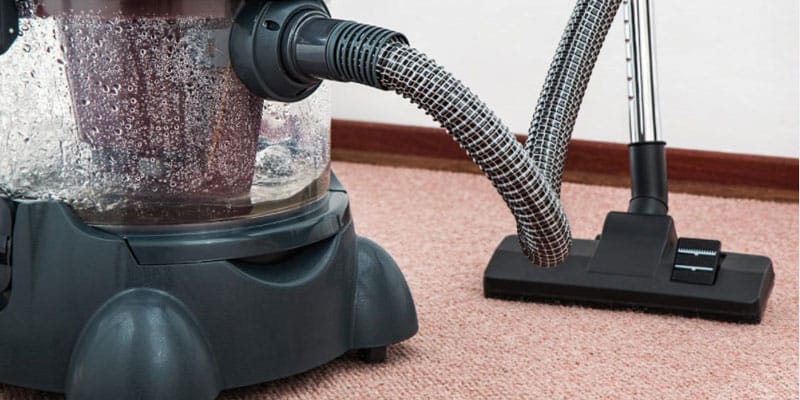
The right kind of soap will go a long way towards keeping your epoxy floor clean and streak-free. Look for products that contain no wax at all; wax can build up on top of the finish and create permanent scuff marks and scratches after time. You want either ammonia-free cleaners like Windex or vinegar-based cleaners like White Vinegar (apple cider vinegar) if you’re looking for a green option – just make sure to test any cleaner on an inconspicuous area of your floor before using it everywhere.
5. Get help from a professional every few years
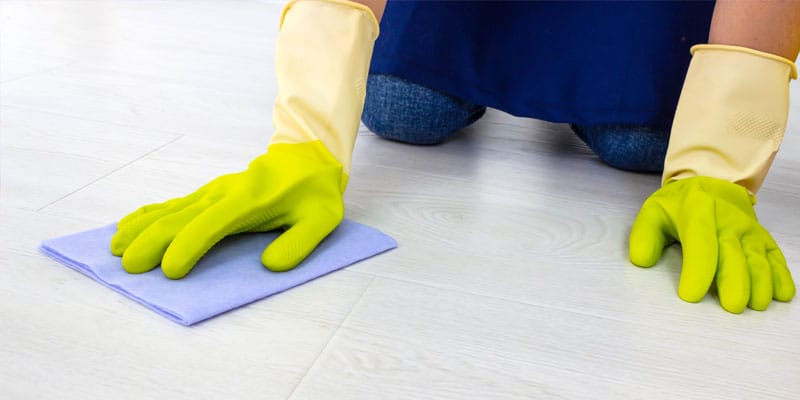
While epoxy floors are durable and easy to maintain, it is sometimes a good idea to get help from a professional. A professional can give your floor the deep clean it needs every few years and also check for any damage that may have gone unnoticed. This can extend the life of your floor and keep it looking beautiful for years to come.
6. Avoid abrasive cleaners or scrubbers
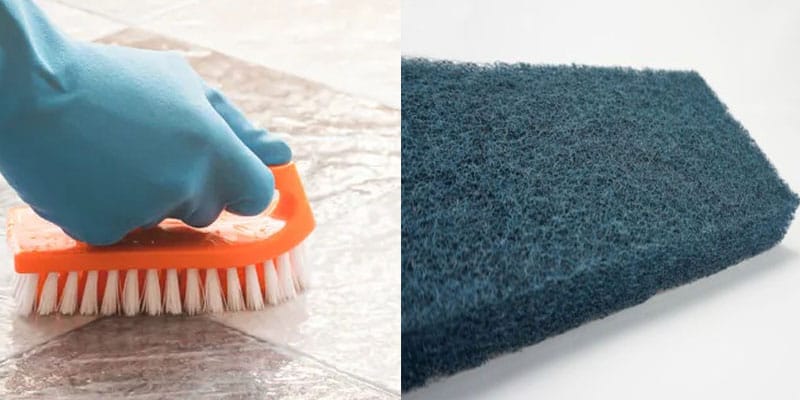
Abrasive cleaners or scrubbers can cause permanent scratches in the finish of your epoxy floor, so they should be avoided at all costs. If your floor starts to look a little dull or dirty, try using a non-abrasive cleaner and see if that doesn’t do the trick. Abrasive cleaners include anything with sandpaper-like particles in it, like steel wool or scouring pads.
7. Use mats at entrances and exits
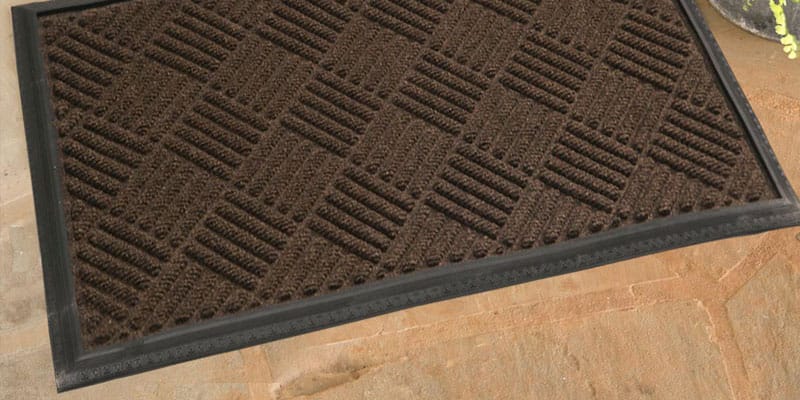
One of the easiest ways to keep your epoxy floor looking good is by using mats at entrances and exits. This will help catch any dirt, mud, or water before it has a chance to get on the floor, and it will also help protect your floor from being scratched by shoes.
8. Protect from furniture legs
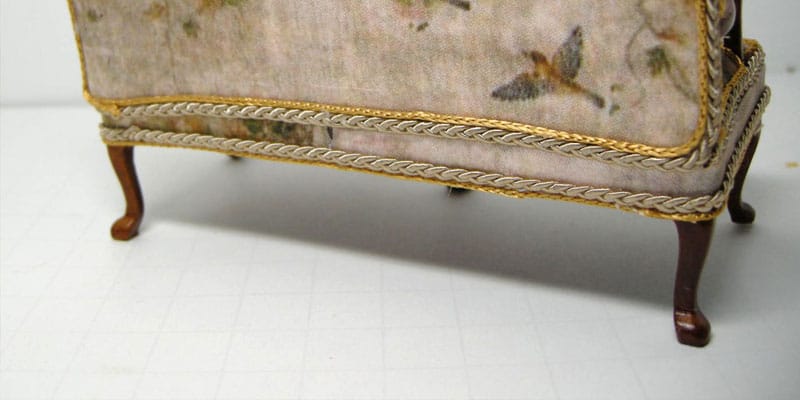
Furniture legs can cause scratches on an epoxy floor if they are not covered with something first. This is why it’s a good idea to use furniture pads or poufs under larger pieces of furniture that are going to stay put for a while. Remember, though, that these methods only protect the finish if used correctly – using an old sock as a furniture pad won’t keep it from getting scuffed up.
9. Use sealants every few years
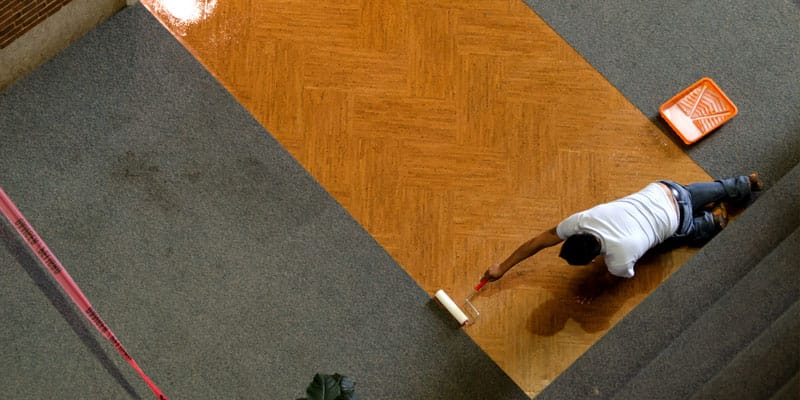
Sealants can be applied over your epoxy floor to protect against stains and spills after the initial application has worn down over time. Make sure to choose one that offers UV protection as well since this will help prevent color fading on your flooring surfaces outside where there is direct sunlight. Sealants need to be reapplied every 2-3 years to maintain their protective properties.
10. Be patient and take your time
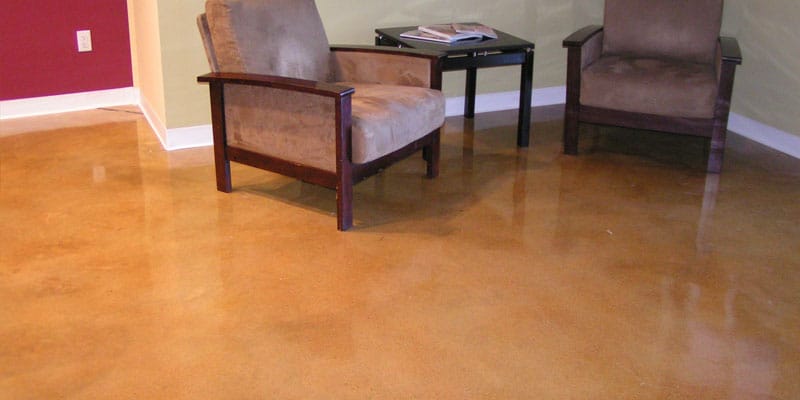
The most important thing to remember when it comes to maintaining an epoxy floor is to be patient and take your time. There’s no need to rush and no need for harsh chemicals or scrubbers if a little elbow grease will do the trick. With a little bit of care, your epoxy floor can last for many years without any major problems.
Maintaining Epoxy Doesn’t Have to be Difficult
Just by following these simple tips, you can keep your epoxy floor looking beautiful and durable for years to come. With a little bit of regular care, your floor will stay looking like new with very little effort on your part. So why not give it a try? Your Epoxy floor will love you for it! You won’t have to spend hours on your hands and knees trying to get the floor clean. Just a few simple steps, and you’re good to go!
If you have any more questions about how to properly maintain your epoxy flooring or if you need help with a specific issue, please don’t hesitate to contact us. We’re always happy to help our customers get the most out of their flooring investment! Our team has years of experience and is here to help you achieve the look you want for your home or commercial business space.